Buyer Strategy
What should I check before writing an offer on a South Bay home?
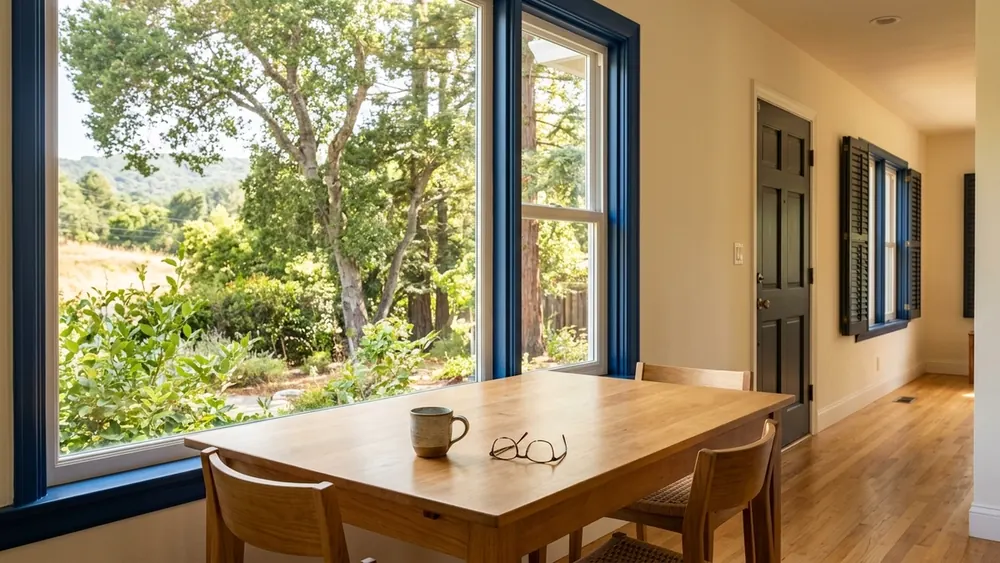
Before writing an offer on a South Bay home, check which jurisdiction governs the address, read the seller’s disclosures, plan inspections, confirm any ADU or addition was permitted, and settle your financing with a licensed lender.
On this page
- The short answer before you write
- Start with what the photos leave out
- Confirm which jurisdiction governs the address
- Read the disclosures before you decide
- Ask about ADUs, additions and permits
- A pre-offer checklist with the right sources
- Settle financing and insurance questions early
- Your next step before making an offer
The short answer before you write
Before you write an offer on a South Bay home, check five things: which town, city or county actually governs the address, what the seller’s disclosures say, what inspections you will want, whether any ADU or addition was permitted, and where your financing stands with a licensed lender. Each of these can change how you write the offer, and each is much easier to look at before you commit than after.
This matters because the moment before an offer often feels rushed. A home you like may be getting attention, and it is tempting to skip straight to price. A short, steady checklist keeps that pressure from crowding out the questions that protect you. It also helps your agent write terms that fit what you actually learned about the home, instead of terms written around guesses.
This article is educational. It explains what to look at and who answers each question. It does not give legal, tax, permit or financing rules, because those depend on the property and the jurisdiction. Where a question needs a definite answer, take it to the right source: the local town, city or county, a licensed lender, a licensed home inspector or a real estate attorney.
Start with what the photos leave out
Listing photos show a home at its most flattering angle. They rarely show how rooms connect, how much light reaches the back of the house, or what the systems look like. That is why seeing a home in person, or hearing from someone who has, comes first. On broker tours in June 2026, Bri saw homes around Los Gatos ranging from historic craftsman houses to new construction, and the differences were plain in person.
Walk the home with a notebook. Note the age and condition of anything you can see, such as the roof edges, windows, flooring and the water heater. Note how you would use each room. If you are comparing an older home and a newer build seen the same weekend, use the same notes for both so the comparison stays fair. Those notes become the questions for your inspection and your offer.
I’d rather you hear about a concern from me before you write the offer than discover it after. Walk it with a notebook, then we’ll talk plainly about what you saw.
Confirm which jurisdiction governs the address
A mailing city or ZIP code does not always match the local government that governs a property. A home with a Los Gatos or San Jose mailing address may fall under a different town, city or county for planning and services. That can affect which permit rules apply if you want to renovate or add space later, and which office you would contact for local services.
The fix is simple. Ask for the parcel information early and check it directly with the relevant office: the Town of Los Gatos, the City of San Jose or Santa Clara County. It takes little time and keeps your plans grounded in the rules that actually apply. Do this before you start counting on a future project, not after the offer is accepted.
Once you know the jurisdiction, write down any plans you have for the home, even rough ones. A future addition, a new deck or a converted garage may each raise questions for the planning department. You do not need answers to everything before an offer, but knowing which questions exist helps you decide how much time to ask for in your contingencies.
Read the disclosures before you decide
Sellers provide disclosure documents describing what they know about the home. Read them carefully, ideally before you write the offer. Look for past repairs, known issues, insurance claims and any work done without permits. If something is unclear, ask about it through your agent. A disclosure that raises a question is not necessarily a problem, but it is a reason to look closer.
Some sellers also provide inspection reports they ordered before listing. These can be helpful, but they were prepared for the seller. Read them as a starting point, and consider ordering your own inspection from a licensed home inspector. If anything in the disclosures has legal weight you do not understand, a real estate attorney can explain it before you rely on it.
Ask about ADUs, additions and permits
Some newer homes in this part of the South Bay include an accessory dwelling unit (ADU), a smaller separate living space on the same property. Older homes may have additions or conversions made over the years. In both cases, ask how the space was permitted before you count it in your plans. Do not assume rental use, added value or legal living space until you have checked with the right office.
- Ask the seller for permit records covering any ADU or addition
- Confirm the permit history with the relevant planning department
- Ask what the local rules allow for using or renting the space
- Have licensed contractors look at any work that seems unfinished
ADU and permit rules are set locally and can differ between jurisdictions. That is why the jurisdiction check comes first. Once you know which office governs the address, you know where to take these questions. Treat any answer you hear secondhand, including from a seller or a listing, as something to confirm directly with that office before you rely on it in your offer.
A pre-offer checklist with the right sources
The table below gathers the main checks into one place, with why each one matters and who can answer it. It is a general guide, not a set of rules. Every property is different, and some checks will matter more for one home than another. Use it to make sure nothing important gets skipped in the rush before an offer.
| What to check | Why it matters | Who to ask |
|---|---|---|
| Which jurisdiction governs the address | It decides which permit and planning rules apply | The town, city or county planning office |
| Seller disclosures | They describe known issues and past repairs | Your agent, and a real estate attorney if unclear |
| Condition of the home | Findings can shape repair requests or credits | A licensed home inspector |
| ADU or addition permits | Unpermitted space may limit how you use it | The relevant planning department |
| Financing and insurance | Both affect what you can offer and when | A licensed lender and an insurance agent |
Notice how many rows point to someone other than your agent. That is deliberate. Your agent can help you organize the questions, read the disclosures with you and write terms around what you learn, but the definitive answers come from the people who own each subject. Keep a note of who answered what, so you can go back if something changes.
Settle financing and insurance questions early
Talk with a licensed lender before you write any offer. Your financing position affects how you write the offer, which contingencies you may want, and how quickly you can move. If you are comparing homes at different prices in Los Gatos, San Jose or Sunnyvale, ask the lender how each would fit your situation. Financing questions belong with the lender, not with guesses from a listing.
Insurance is easy to leave until late, and it is worth checking earlier. Ask an insurance agent about coverage for the specific home, especially if it is older or has unusual features. The answer may affect your budget and your comfort with the purchase. It is far easier to learn about any coverage question before your offer than during the final days before closing.
Your next step before making an offer
Before your next offer, gather your notes from the home visit, the parcel information, the seller’s disclosures, your financing position and any permit questions. Put them on one page with the source for each answer. That page becomes the basis for a calm conversation about terms, and it keeps you from deciding on photos and pressure alone.
If you would like to walk through a home you are considering, you are welcome to bring that page to Bri. You do not need to have every answer yet, and you do not need to have chosen a home. Bring the questions that feel unsettled, and together you can sort out which ones belong with which source. Which check feels least clear to you right now: the jurisdiction, the disclosures, the permits, or your financing?
This article is general information about buying and selling homes in Los Gatos and the nearby South Bay. It is not legal, tax, lending, inspection or appraisal advice and does not predict prices or promise results. Confirm ADU, permit and jurisdiction questions with the Town of Los Gatos, the City of San Jose or Santa Clara County, HOA details with the association’s documents, financing with a licensed lender, and property condition with a licensed home inspector. Bri Secviar, Compass.

Written by